
Our Real Competitor Is a WhatsApp Thread
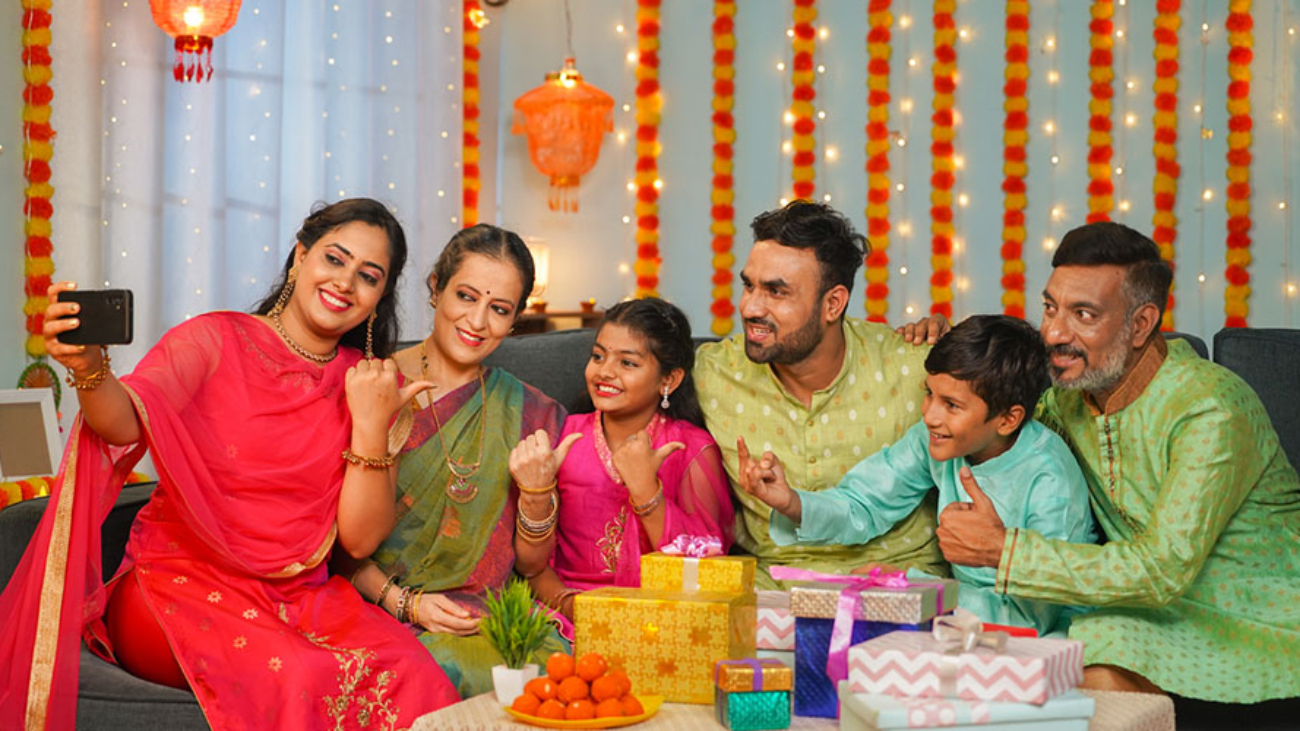
Every celebration ends the same way. Someone raises a glass, every phone in the room comes up at once, and the photos pile up fast. Then the party ends, and those photos scatter. Some land in a WhatsApp group. Most stay in camera rolls. A few get posted, and the rest are never seen again by anyone who was there.
Jelly Toast exists to fix that. You create an event, public or private, and everyone who comes adds their photos and videos to one shared place. It’s part event app, part shared memory. Right now almost all of our users are in India, and that’s deliberate: we want to get the product right for one market before we think about the next one.
I lead product on Jelly Toast, and this is the first in a series of posts about how we’re building it. I’ll cover the decisions, the trade-offs, and the places where we’re still working things out. Here’s where I’d start: who we’re actually competing with.
The competitor isn’t another app
When we lay out the competition, it’s tempting to list other apps. In the United States, that list would include Partiful, Evite and Apple Invites. But that’s not what we’re up against in India.
In India, a sangeet, a Diwali party or a college fest gets organized in a WhatsApp group. Someone starts a thread. Someone else builds a Google Sheet to track who’s coming and who’s bringing what. The photos end up back in the same thread, mixed in with logistics, jokes and “reached?” messages, or never get shared at all.
That combination is our real competitor, and it’s a strong one. Everyone already has WhatsApp. Nobody has to install anything, and nobody needs to be taught how it works. It’s free, it’s familiar, and it’s good enough for most of what a host needs.
That changes how we think about the product. The bar isn’t “have more features than another event app.” It’s “be less effort than a WhatsApp thread and a spreadsheet, for the host and for every guest.” If a feature adds a step, it has to earn that step. If it doesn’t clearly beat the thread, people won’t switch, and they’d be right not to.
The host chose us; the guests didn’t
The clearest example of that bar is a decision we made early: guests can RSVP to a Jelly Toast event without downloading the app.
That cuts against the standard playbook. For a consumer app, installs are the metric everyone watches, and every invitation is a chance to get one. Requiring guests to install before they can respond would almost certainly raise our download numbers.
We went the other way on purpose. The person who chose Jelly Toast is the host. The guests didn’t choose anything; they got an invitation. If every guest has to find the app, install it and sign up before they can say yes, a lot of them won’t bother. Then the host is back in the WhatsApp group, chasing replies one by one, and the invitation dies there. We’d have gained a few installs and lost the host, and the host is the person we most need to keep.
So the RSVP works without the app. Guests can respond without installing anything, and the host gets a clean answer.
That decision opened a bigger question we’re still working through: how far should we take it? Should guests be able to see the event’s photos without the app? Add their own? Every step we open up removes friction for guests, and it also removes one more reason to install. There’s no obvious right answer, and I’ll write more as we work it out.
A catalog that matches the calendar
Jelly Toast events start from templates: designs for a birthday, a wedding, a team dinner, a festival. Earlier this autumn we reviewed our template catalog line by line, and one finding stood out. We had six Christmas templates and one for Diwali.
For an app whose users are almost all in India, that’s backwards. Nobody planned it that way. The catalog grew over time, and nobody had checked it against the calendar our users actually live by.
We’ve been fixing it. Diwali Party has moved up into the featured templates people see first. Navratri, Garba Night, Dandiya Night and Durga Puja are live and ranked up for the festival season, and more Diwali designs are on the way. Festivals that have already passed this year, like Ganesh Chaturthi and Onam, have moved down the list until they come around again. On the wedding side, Sangeet Night and Sangeet Ceremony sit alongside the wedding-day templates, because in India a wedding is several events, not one.
None of this is glamorous work, and it doesn’t make a launch announcement. But a template is often the first thing a new host sees. If the first screen shows them Christmas in October, it tells them the app wasn’t made for them. If it shows them the festival they’re planning this week, it tells them it was. The catalog should match our users’ calendar, and we’ll keep checking it as the seasons turn.
The week after the event
The part of the problem I think about most comes after the party.
Even when everyone’s photos end up in one place, there’s a quiet failure mode. New photos arrive in a shared album, and nobody knows. Someone who uploads their pictures the next morning may never hear that anyone saw them. The people who left early never come back to look. A week later, the album is full and nobody’s opening it.
That’s the problem I want Jelly Toast to own next: making sure the memories from an event actually get seen, by the people who were there, after it’s over. Part of that is telling people when something new has landed, without becoming one more app that pings too much. Part of it is giving people a reason to come back to an event weeks or months later, not just the night of.
We’re still working through both, and we’re further along on the first than the second. I’d rather name the problem honestly than promise a feature. But it’s where a lot of our thinking is going.
What comes next
That’s the shape of how we’re building Jelly Toast right now. We measure ourselves against the WhatsApp thread, not other apps. We make choices for the host, even when they cost us installs. We make the product look like our users’ lives, starting with the calendar. And we’re focused on the week after the event, when photos usually go to die.
I’ll keep writing these as we go, including the decisions we get wrong. If you’ve hosted an event recently, I’d genuinely like to know where your photos ended up. You can find me on X at @JellyToastRob.
Raise a glass. We’re working on making sure the photos don’t disappear.